Why Bangkok Is One of Asia's Great Walking Cities
When people think about getting around Bangkok, they usually think about the BTS Skytrain, river ferries, or the city's famously unpredictable traffic. Walking rarely comes to mind, and on the surface that makes perfect sense. Bangkok is sprawling, the tropical climate can be demanding, and the sidewalks are not always as forgiving as those in cities like Tokyo or Singapore.
Yet over the years I've come to believe that walking is one of the best ways to understand Bangkok — not because the city was designed for it, but because it reveals parts of the city that no train, taxi, or tour bus ever will.
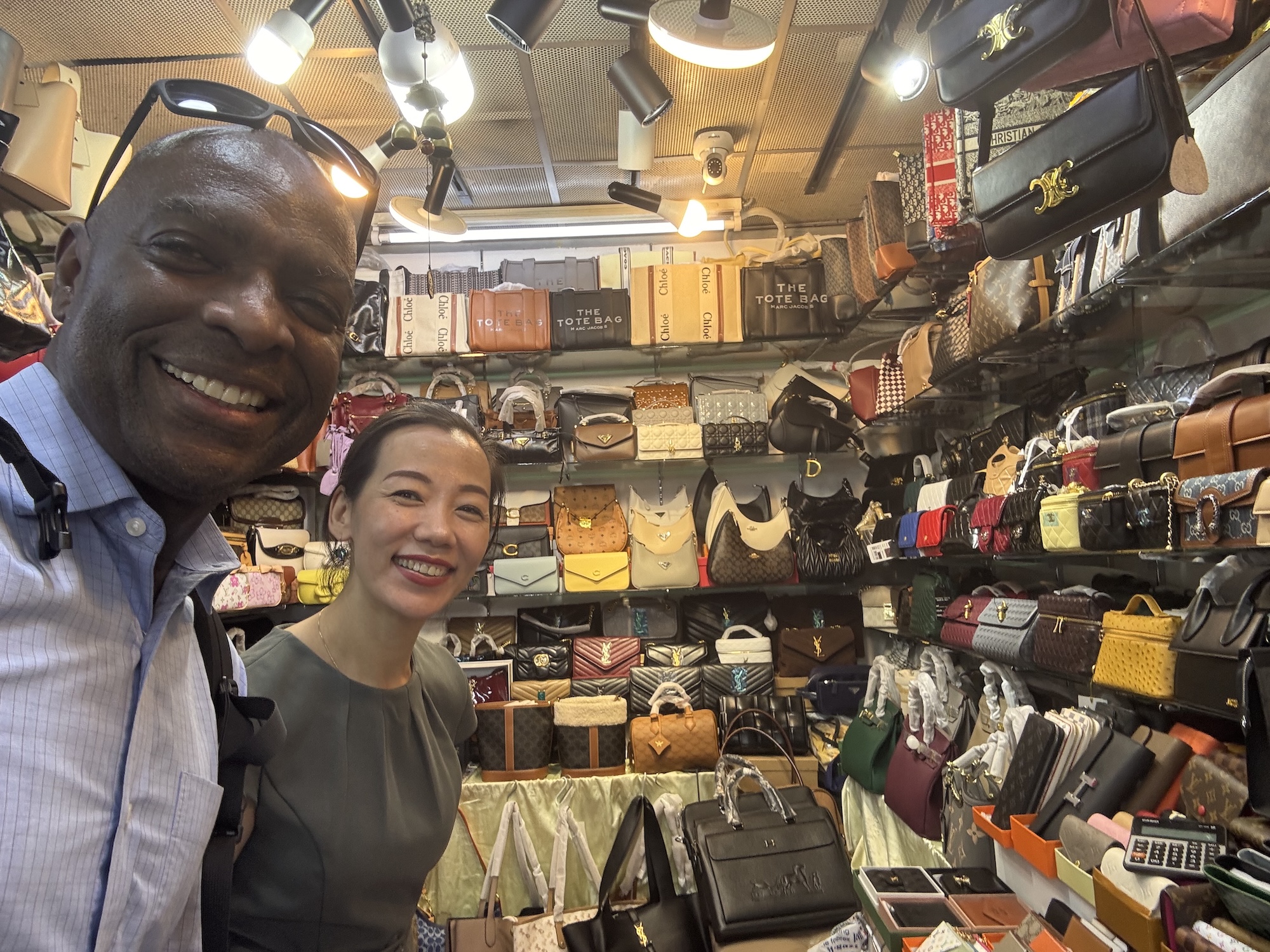
Every neighborhood has its own rhythm. Sukhumvit feels different from Bang Rak, Talat Noi feels different from Ari, and the area around Ratchaprasong changes character almost block by block. One moment you're passing the polished entrance to a luxury hotel, the next you're standing outside a family-run noodle shop that has quietly served the same customers for decades. Around another corner, office workers gather at a street shrine before beginning their day, while a few streets away shoppers drift through some of Asia's most luxurious retail spaces. Bangkok rarely separates the old from the new. Instead, it allows them to exist side by side.
That is one of the reasons I deliberately build time for walking into every itinerary. Guests often assume the walks are simply a way of getting from one attraction to another, but they usually become the moments people remember most clearly. It's during those unhurried stretches between destinations that conversations begin, unfamiliar aromas drift from an open kitchen, or a small alley reveals a café, workshop, or neighborhood temple that never appeared in any guidebook.
Of course, walking everywhere would make little sense. Bangkok is too large for that, and some distances are better covered by the BTS, the river, or a taxi. The goal isn't to avoid transportation; it's to know when to leave it behind. Experience teaches you where a ten-minute walk is more rewarding than a ten-minute drive and where the opposite is true.
One of my favorite areas for this kind of exploration is the neighborhood surrounding the Grand Hyatt Erawan. Within a relatively short distance you can visit the Erawan Shrine, browse independent shops hidden behind the city's major shopping centers, wander through quieter streets that most visitors never notice, and discover restaurants that have earned loyal local followings without ever appearing on lists of Bangkok's "must-see" attractions. None of these places is particularly famous on its own. Together, however, they reveal how the city actually functions beyond its landmarks.
I've found that the same principle applies throughout Bangkok. The places that leave the deepest impression are often the ones nobody planned to visit. They are encountered rather than scheduled, and they reward curiosity far more than efficiency.
For me, that's what walking offers. It slows the pace just enough for the city to become more than a collection of famous sites. Bangkok is layered, sometimes contradictory, and constantly evolving, but those qualities are easiest to appreciate when you're moving at the speed of the people who actually live there.
By the end of a journey, guests rarely tell me how many temples they visited or how many kilometers they walked. More often, they remember a conversation with a shopkeeper, the scent of charcoal from a small restaurant tucked into a side street, or a quiet lane they never would have discovered if they had stayed in a taxi.
Those moments are difficult to plan. They are also the moments that stay with you the longest.
Questions about the itinerary or the journey — reach us any time.
bookings@cc-asia.com