What Thirty Years of Coming to Bangkok Taught Me About Traveling There
I first visited Bangkok in 1995. It was a very different place from today. But some things have not changed.
I did what everyone did at the time: I carried a Lonely Planet guidebook and visited the recommended places. I rode in a tuk-tuk. I went shopping at MBK. I ate at street stalls. I had a good time. But looking back, what I saw on that trip was Bangkok's surface — the version the city presents to visitors.
In the years since, I have returned to Bangkok dozens of times. I became a familiar face to the staff at the Grand Hyatt Erawan. I found massage shops I trusted. I learned to navigate the canals by longtail boat, away from the crowds. Local friends I met while salsa dancing brought me to weekend markets no guidebook had ever mentioned.
For more than ten years, I have hosted Japanese guests in Bangkok. Based in Tokyo for more than twenty years, I understand what Japanese travelers are looking for — and where the gaps lie between what they expect and what they actually find. This article is about the knowledge I have accumulated over thirty years of returning to Bangkok.

1. Bangkok is not a city to rush
Most visitors come to Bangkok for three or four nights. In that time, they try to fit in the Grand Palace, Wat Pho, Chatuchak, ICONSIAM, and at least one night market. I understand the impulse. But the trips people remember most are rarely the ones where they checked off the most items.
Bangkok's real character emerges in the spaces between things. A slow afternoon by the hotel pool. A walk at dusk when the air finally cools. A meal at a small restaurant that has been serving the same dish for more than fifty years. The city rewards the traveler who makes room for these moments.
If you are staying at a hotel like the Grand Hyatt Erawan, do not feel guilty about spending time there. The pool, the spa, the Club Lounge, the restaurants — a world-class hotel in Bangkok offers experiences that would cost three times as much in Tokyo. The hotel is not where you wait between sightseeing. The hotel is part of the experience.

2. Tourist Bangkok and real Bangkok are different places
Wat Phra Kaew is unmissable. So is Wat Pho. But the area around the Grand Palace is also where Bangkok's most persistent tourist scams operate. If a stranger approaches you and says, "The temple is closed today — I know a special place," walk away. This is one of the city's oldest tricks. I have been a victim of it myself.
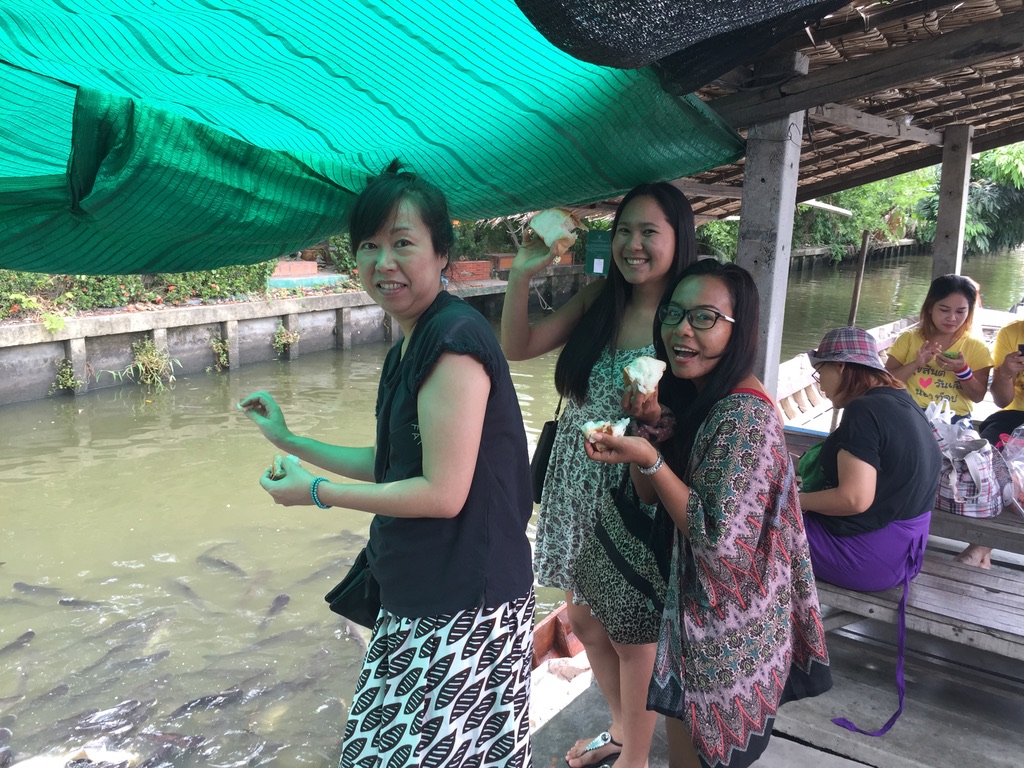
If you want to see Bangkok as it actually lives, cross the river to Thonburi. A longtail boat through the narrow khlongs on the western bank takes you into a Bangkok that has barely changed in decades. Houses on stilts. Monks collecting alms by boat. Children feeding fish from wooden piers. There are almost no tourists.
Another place worth finding is Song Wat Road. Once the beating heart of Bangkok's oldest trading district, it is now a street lined with century-old shophouses alongside galleries, small cafés, and studios of young Thai artists. It takes about an hour to walk end to end. Almost no one goes there.
3. Choose your hotel for the relationships, not just the rating
Bangkok's luxury hotels offer extraordinary value by global standards. The same level of service that costs ¥20,000 a night in Bangkok would cost ¥70,000 to ¥90,000 a night in Tokyo or New York. But that is not why I have stayed at the Grand Hyatt Erawan year after year.
The reason is the relationships I have built with the staff over more than twenty years. The smoothness of check-in. The way a small request is handled without friction. The access and flexibility that appear during a special event like New Year's Eve — things that a booking site cannot sell you because they are not for sale. They are the product of time and trust.
The quality of a trip is often decided less by the destination than by who you know. Fortunately, I know all the people who matter.
4. How to actually enjoy MBK
MBK Center is one of Bangkok's most famous shopping destinations, and it deserves its reputation. But I will be honest: walking into MBK alone for the first time is disorienting. Seven floors, thousands of stalls, prices that vary without logic, and no easy way to tell what is genuine and what is not. The first few times I visited, I had no idea whether I was getting a good bargain.
When I bring guests to MBK, I take them only to vendors I have worked with for years. I know which stalls sell genuine leather goods, which jewelry shops can be trusted, and which electronics are what they claim to be. I handle the negotiating. The price you pay and what you get depend almost entirely on who you are buying from, not on what you are buying.
If you are planning to shop at MBK, let me know in advance what you are looking for. I can point you in the right direction before you arrive.
5. Why December is the best time to visit Bangkok
Bangkok rewards visitors year-round. But December is in a different category.
December is the dry season — almost no rain, temperatures between 25 and 32 degrees Celsius, and low humidity by Bangkok standards. You can walk between temples without wilting, sit at an open-air restaurant without watching the sky, and be comfortable outdoors in a way that is simply not possible in April or May.
The city is alive but not overwhelmed. And then there is New Year's Eve. The Grand Hyatt Erawan hosts one of Bangkok's most sought-after gala dinners — a fixed-price event with live music, champagne, and a view of the fireworks from the center of the city. Tickets sell out well in advance. If you want to be there, plan ahead. That is exactly what we help you do.
Bangkok is a different city when you know where you are going
Before nine in the morning, Bangkok's street vendors are already out — selling breakfast to people on their way to work. The city moving before the tourists arrive.
— David WrightWith the right host, Bangkok is a completely different experience. You avoid scams. You shop in stores you can trust. You see places most visitors never find. You are treated well at your hotel because the hotel knows who you are traveling with. You never have to worry about the logistics.
Many guests arrive not quite knowing what to expect. By the second evening, they are already looking forward to what comes next.
— David WrightI am David Wright. I have returned to Bangkok for thirty years and have been based in Tokyo for more than twenty of them. Together with my co-host Chieko, we offer a Bangkok no guidebook can give you.
Questions about Bangkok, or about whether this journey is right for you — reach us any time.
bookings@cc-asia.com