
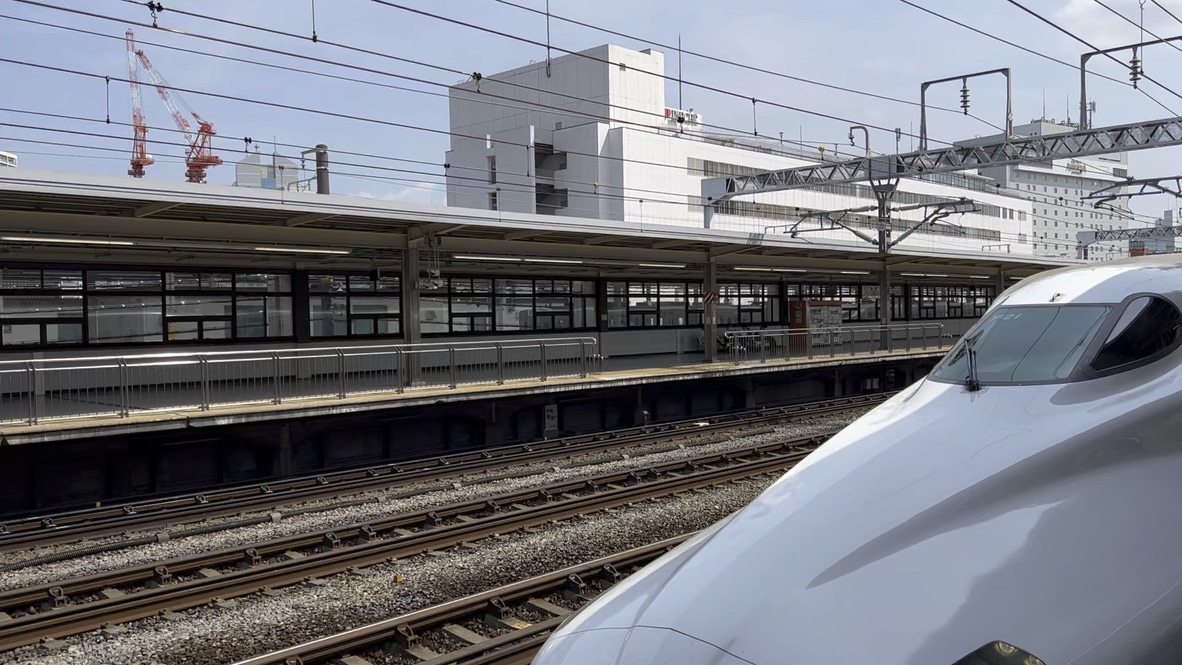
For years the nationwide JR Pass was a no-brainer. After the 2023 price increase, value depends on your routing. Here’s a clean way to decide—no jargon, just what a traveler needs to know.
When the JR Pass does make sense
- Round-trips on the Shinkansen within 7–14 days (e.g., Tokyo ⇄ Kyoto/Hiroshima with an extra day trip).
- Multi-city hops over long distances (Tokyo → Kanazawa → Kyoto → Hiroshima → Fukuoka).
- Heavy JR local usage on top of long-distance legs (JR commuter lines in Kanto/Kansai).
When to skip it
- Tokyo + Kyoto only with a one-way or open-jaw flight—buy single Shinkansen tickets.
- Slow-travel in one region (Tōhoku only, Hokkaidō only, or just Kansai). Regional passes beat the nationwide pass.
- Short stays (≤6 days) without big jumps—use point-to-point.
Important limitations (often missed)
- The nationwide JR Pass does not cover Nozomi/Mizuho services on Tokaidō/Sanyō/Kyūshū Shinkansen. Use Hikari/Sakura instead.
- Seat reservations are recommended in peak seasons; you can still ride unreserved if full.
Smart alternatives
- Regional JR passes: JR East, JR West, JR Kyushu, JR Hokkaido, etc.—fantastic if you stay within one area.
- IC cards for cities: Add Suica (or PASMO) to Apple Wallet/Google Wallet from home to tap through subways and buy small items seamlessly.
A quick back-of-the-napkin check
Look up two or three likely Shinkansen legs on the JR site or a fare app. If those totals meet or beat the pass price for your duration, buy the pass. If not, book singles—simple.
Pro tip: Ship your luggage with takkyubin, then ride the Shinkansen with only a day bag. You’ll breeze through stations and enjoy the trip.
Bottom line: The JR Pass is now a situational saver—excellent for long-distance clusters, unnecessary for light itineraries. Pick the tool that fits your route, not the other way around.