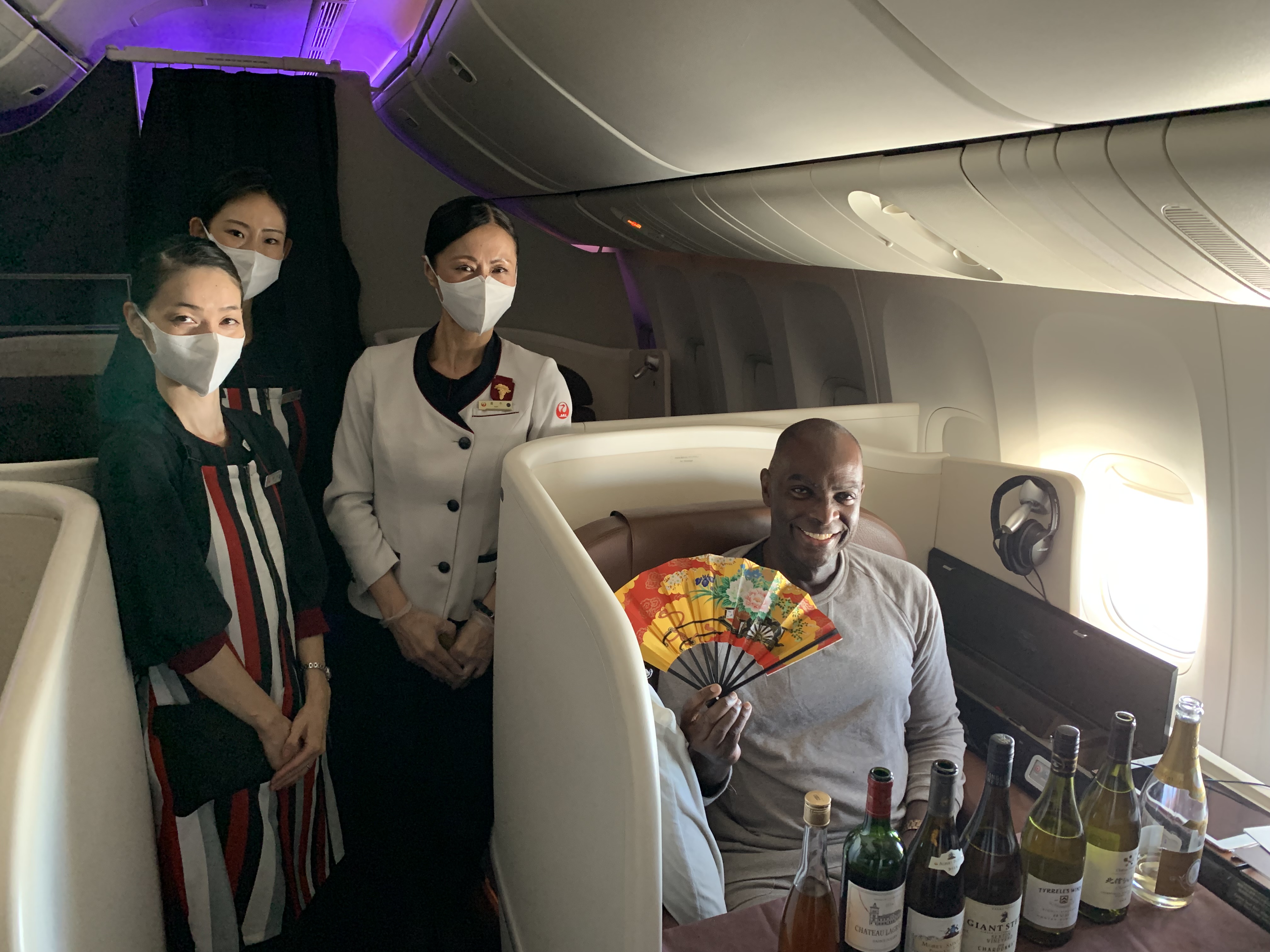
Why I Fly First Class — and What It Has to Do with How I Host
People sometimes assume I fly First Class because I enjoy luxury. They're partly right. After all, it is undeniably more comfortable than any other way to travel, and after spending enough hours crossing oceans, it's difficult to pretend otherwise. But comfort isn't the reason I continue choosing it whenever I can. Somewhere along the way I realized I had stopped paying attention to the seat, the menu, or even the champagne. Instead, I found myself watching the people and asking why certain airlines consistently made a journey feel effortless while others, despite offering many of the same amenities, somehow did not.
After flying First Class on JAL, ANA, Emirates, Thai Airways, Asiana, Lufthansa, and several other airlines over many years, I began to notice that the differences had very little to do with luxury itself. Every airline offered an excellent seat and good food. What separated the truly memorable experiences was something much harder to define. The best crews anticipated problems before they arose, noticed small details without making a performance of noticing them, and somehow managed to create an atmosphere where everything simply unfolded as it should. By the end of the flight, I often couldn't point to a single remarkable interaction, yet I stepped off the aircraft feeling unusually well looked after.
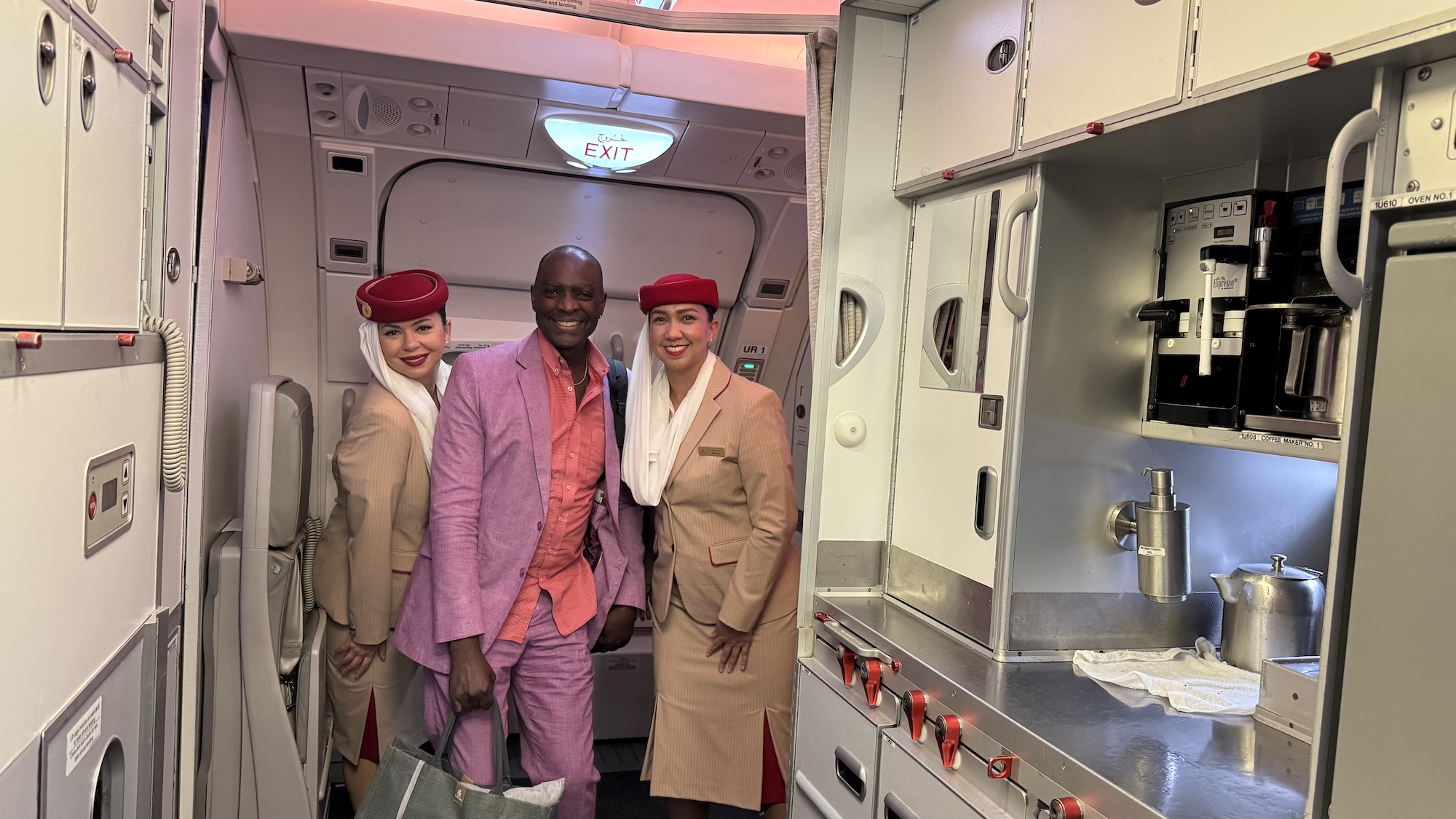
That observation stayed with me because I realized it extended far beyond aviation. The finest hotels operate in much the same way. So do the best restaurants. Their excellence isn't measured by how often they impress you, but by how rarely they force you to think about the mechanics of your own experience. When hospitality is working at its highest level, your attention remains on the journey itself rather than on the people quietly making it possible.
It eventually changed the way I thought about hosting.
When I design a Cultural Connections Asia journey, I'm not trying to recreate a First Class cabin on the ground. That would miss the point entirely. What I am trying to recreate is the feeling that the best airlines leave behind: the quiet confidence that someone has already anticipated the details, solved the problems you never knew existed, and created enough space for you simply to enjoy where you are. That standard influences every decision I make, from the hotels I return to year after year to the restaurants I recommend and the local partners I continue working with.
Each airline expresses that philosophy differently. Flying JAL First Class between Tokyo and Bangkok has always impressed me because of its quiet confidence. The Japanese idea of omotenashi is present throughout the journey, but never in a way that feels theatrical. The service is thoughtful rather than conspicuous, and by the end of the flight you remember less about individual interactions than the overall feeling of being genuinely cared for. ANA approaches hospitality with a similar sense of precision and consistency, while Emirates demonstrates that luxury can be ambitious and visually spectacular without sacrificing attentiveness. Lufthansa, Thai Airways, and Asiana each reflect the cultures that shaped them, yet they all arrive at the same destination through different paths: making the passenger feel that every detail has already been considered.
The best first class cabins share one quality with the best hotels: you stop noticing the service because it has stopped requiring your attention.
— David WrightThose flights have taught me that genuine luxury has remarkably little to do with expensive materials or exclusive spaces. It comes from removing uncertainty. It comes from allowing someone else to carry the small burdens that quietly consume our attention while traveling. Once I understood that, I started recognizing the same quality elsewhere. I found it in the staff at the Grand Hyatt Erawan, in the consistency of places like Health Land and Blue Elephant, and in long-standing local partners who care more about getting things right than about drawing attention to themselves.
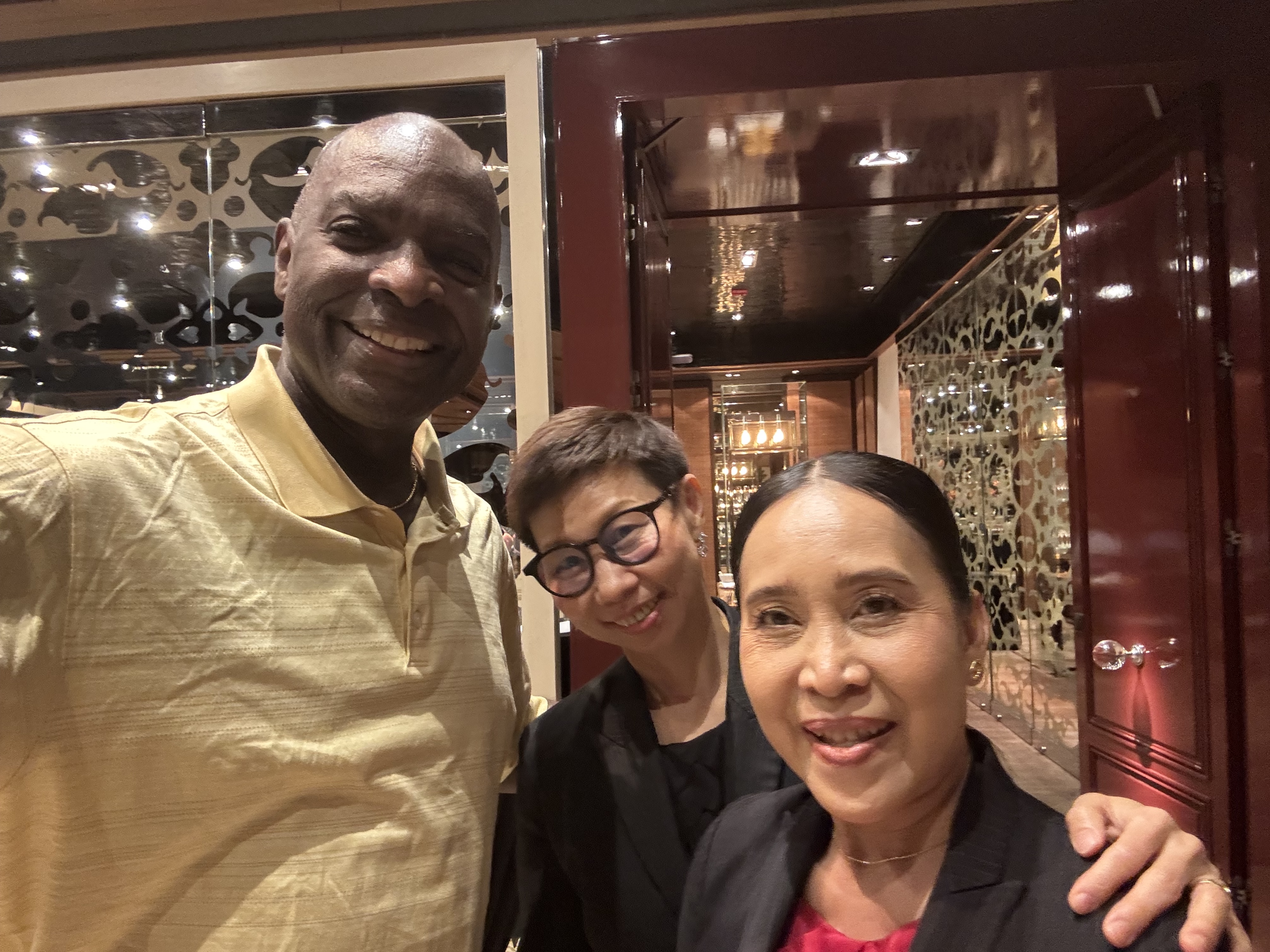
That's not a coincidence, and it's not just a comparison I make for the sake of an essay. It's the actual standard I use when I choose who CCA works with. The Grand Hyatt Erawan, Health Land, and the Blue Elephant all earned their place in the itinerary the same way a great airline earns a returning passenger — not through one impressive gesture, but through consistency, repeated over years, that I no longer have to think twice about.
Looking back, I can still remember exceptional meals, remarkable wines, and some unforgettable flights. Those experiences deserve to be remembered. But alongside them, I remember something else just as clearly: the confidence that came from knowing I never had to worry about the details because someone else already had. That is what the best First Class travel ultimately taught me. Luxury certainly has its place, but genuine hospitality is measured by consistency, thoughtfulness, and the quiet removal of uncertainty. That's the standard I try to bring to every Cultural Connections Asia journey, whether my guests arrive in Economy or in First Class.
Questions about the journey — reach us any time.
bookings@cc-asia.com